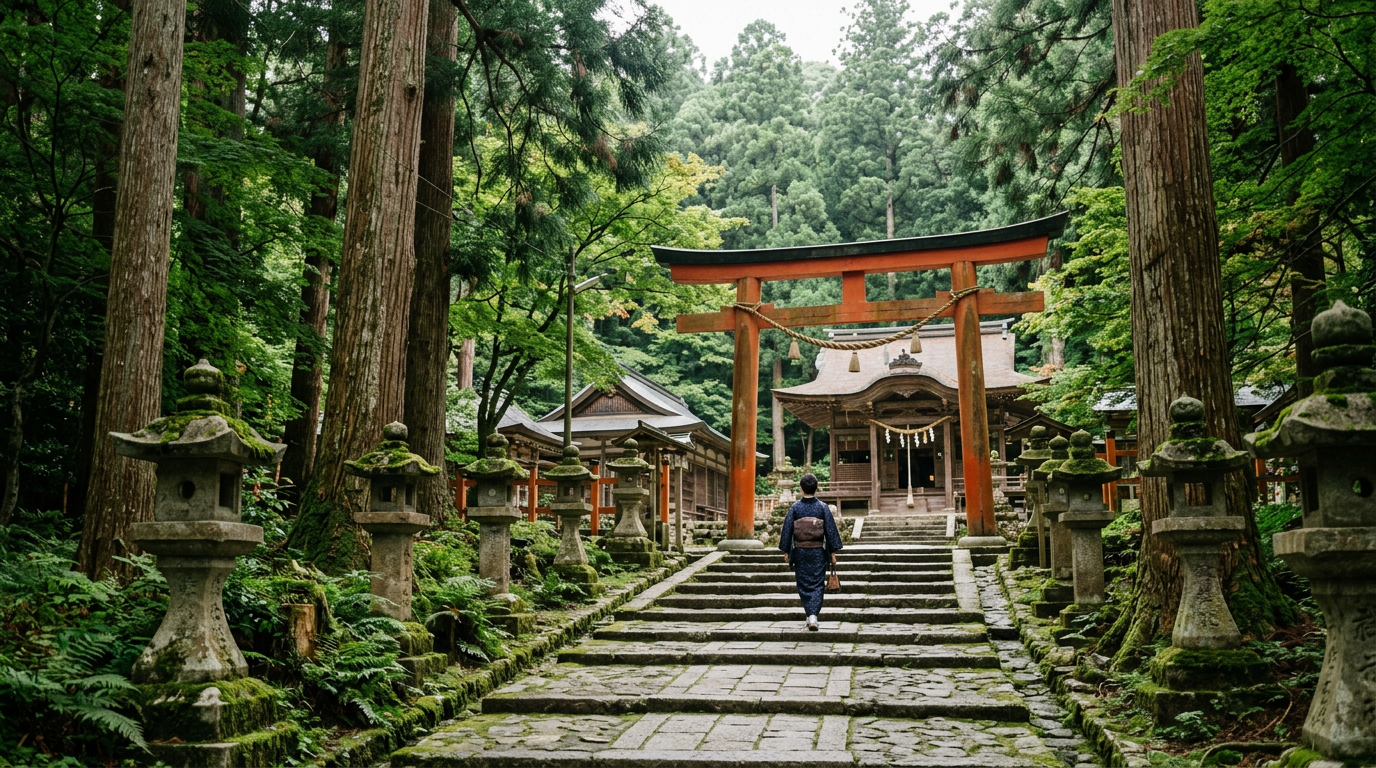
When traveling in Japan, you will almost certainly visit shrines and temples. For first-time visitors, however, they can be confusing. What is the difference? Where do you clap? Is it rude if you do something wrong?
The good news is that you do not need to be perfect. If you understand the basic difference and behave with quiet respect, visiting shrines and temples can become one of the most meaningful parts of your trip in Japan.
Conclusion: Understanding the difference changes how you see Japan
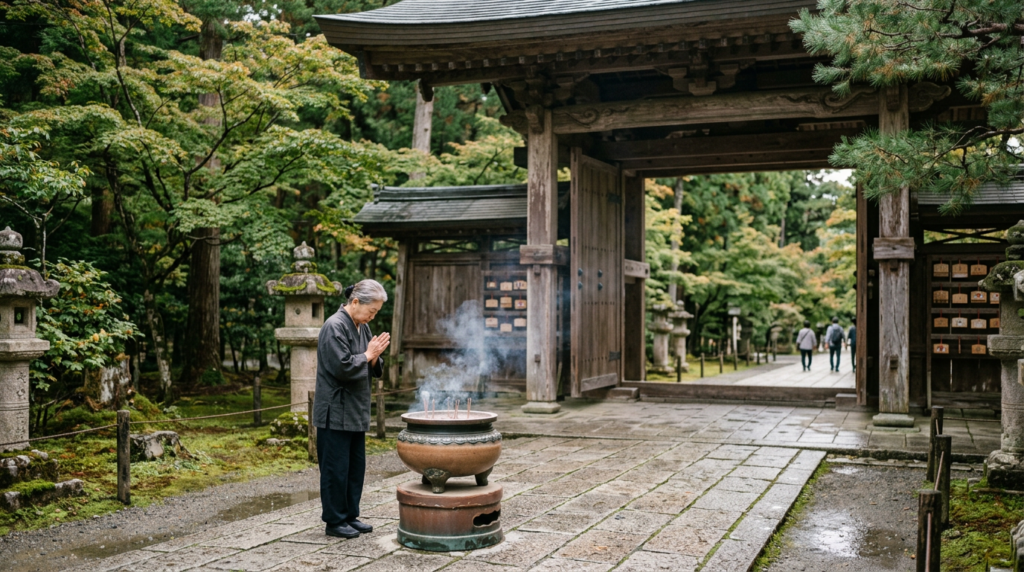
Shrines are generally part of the Shinto tradition, and they are often marked by a torii gate. Temples belong to the Buddhist tradition, and they often have larger gates, incense areas, and temple halls. Knowing this simple difference already makes your trip feel deeper and more intentional.
You also do not need to memorize every ritual. At shrines, a common pattern is two bows, two claps, and one bow. At temples, people usually offer a quiet prayer with their hands together, without clapping. Even a simple understanding can remove a lot of anxiety.
The basic difference between shrines and temples
Shrines are places of Shinto worship. The torii gate marks the entrance to sacred ground, and visitors are traditionally encouraged not to walk in the exact center of the approach path.
Temples are Buddhist places of worship. You may notice temple gates, main halls, incense burners, and a quieter prayer style without clapping. Some temple buildings also require visitors to remove their shoes before entering.
For travelers, it does not need to be more complicated than this: if you see a torii, think shrine. If the atmosphere centers more on halls, incense, and silent prayer, think temple.
Respect matters more than perfect performance
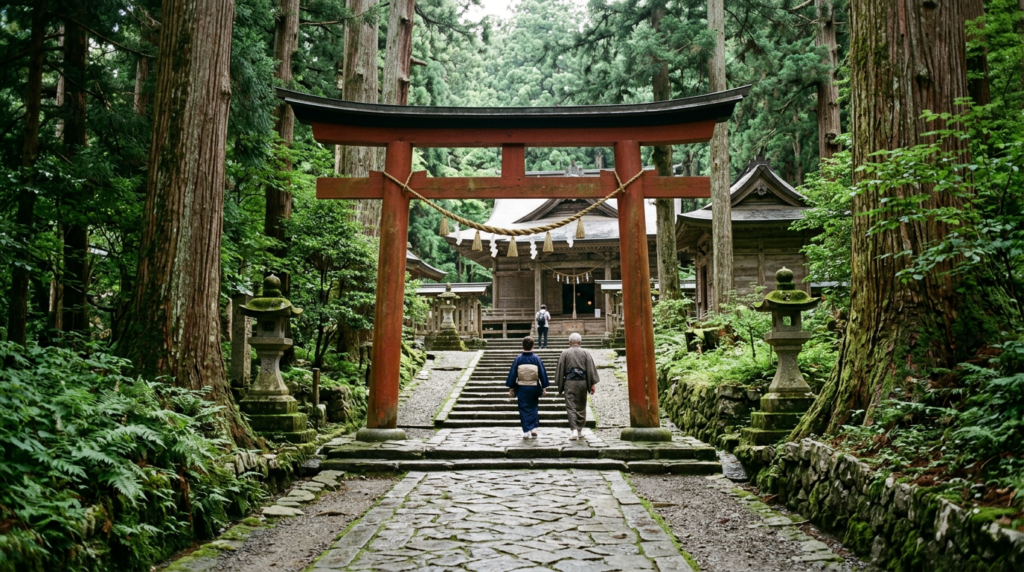
At both shrines and temples, the most important thing is simple: be calm and respectful. Do not speak loudly, do not interrupt worshippers, and do not take photos where photography is forbidden. That alone already makes you a considerate visitor.
At shrines, it is common to bow lightly before passing through the torii, purify your hands and mouth if there is a water pavilion, and then pray at the offering hall. A common ritual is two bows, two claps, and one bow.
At temples, visitors may also purify themselves if there is a water pavilion, but they do not usually clap. In some temples, incense plays a role in the visit, and in certain buildings you will need to remove your shoes. Comfortable shoes and clean socks are more useful than many travelers expect.
Goshuin are more than tourist stamps
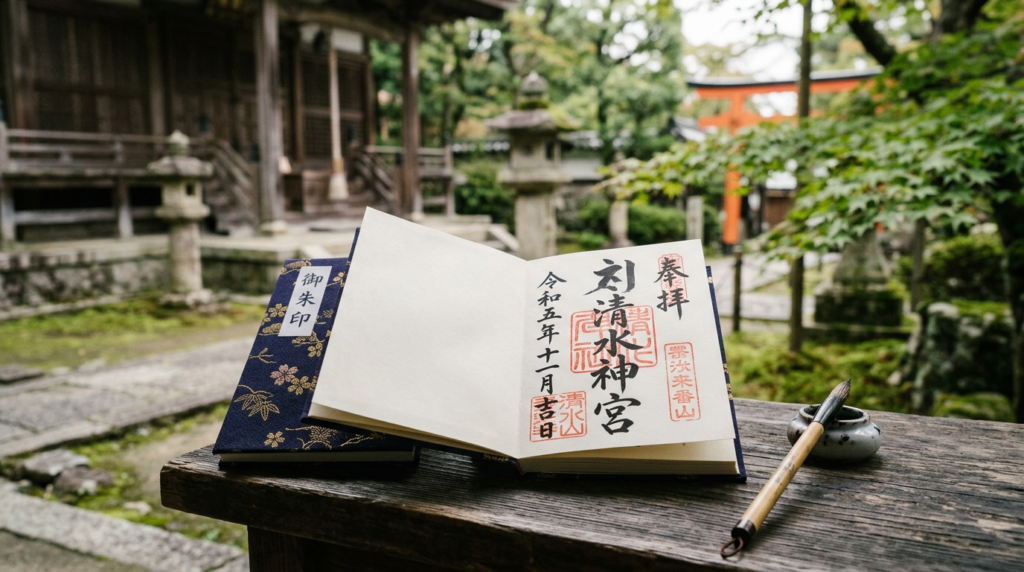
At both shrines and temples, you may see visitors collecting goshuin, beautiful handwritten stamps and calligraphy in a special book called a goshuincho. These are usually received after offering a prayer and are considered a meaningful record of worship.
That is why goshuin should not be treated like a casual stamp rally. Travelers are generally encouraged to pray first, then request the goshuin, and not mix ordinary tourist stamps inside the same goshuin book. If you approach them with respect, they can become one of the most memorable cultural keepsakes from your trip.
Common worries answered simply
What if I make a small mistake?
In most cases, you do not need to panic. If you are sincere, observant, and respectful, that matters far more than getting every detail exactly right.
Can I take photos?
Photos are often allowed on the grounds, but may be prohibited inside buildings or prayer areas. Always check the signs.
Should I visit shrines or temples?
Both are worth visiting. Shrines often feel closely connected to nature and sacred space, while temples often feel reflective, quiet, and meditative. Experiencing both gives travelers a richer sense of Japanese culture.
Final thoughts
You do not need expert knowledge to appreciate shrines and temples in Japan. Start with the basics: shrines are Shinto, temples are Buddhist; shrines often involve bows and claps, temples are usually quieter and without clapping.
Travel becomes richer when you notice meaning, not just scenery. And once you begin to see the difference, Japan opens up in a deeper way.
Suggested next reads
