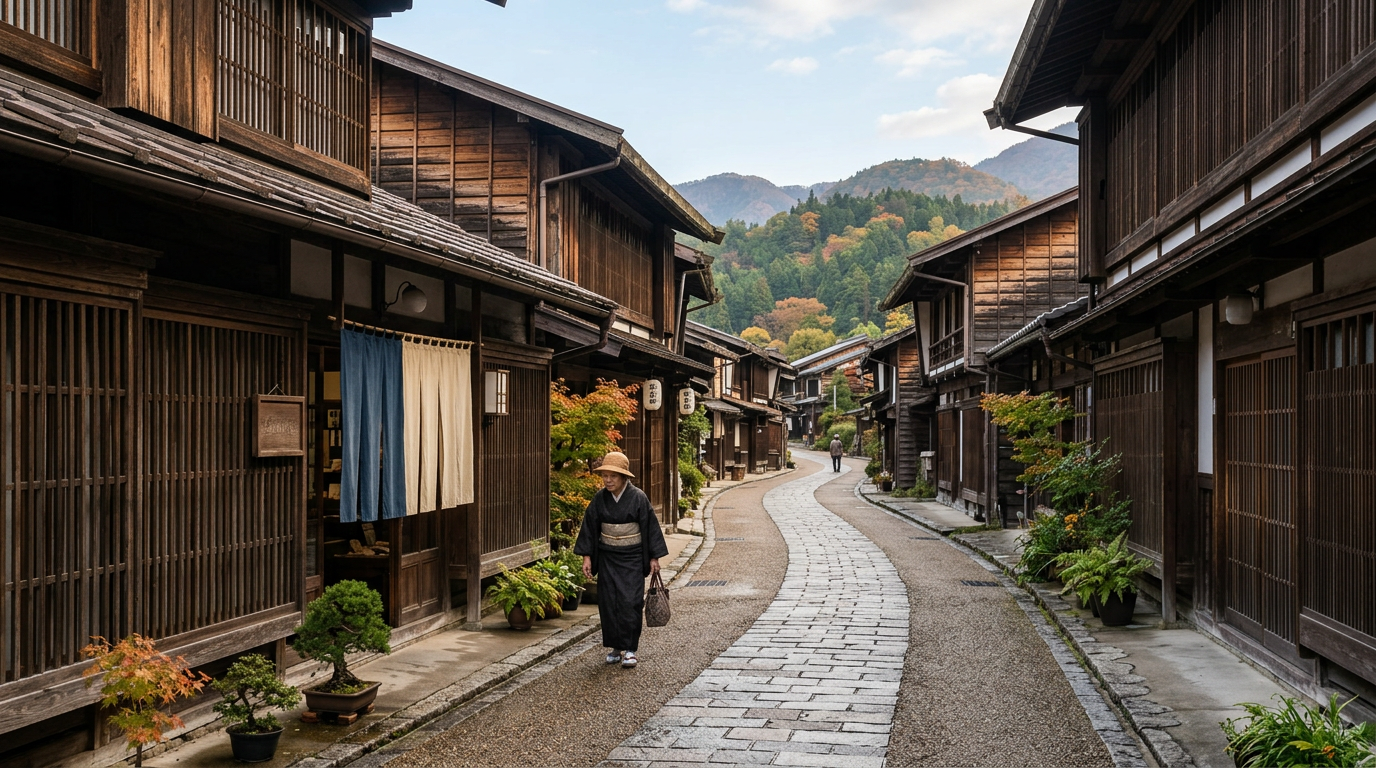
Beyond Tokyo, Kyoto, and Osaka | A Guide to Quiet and Memorable Travel in Regional Japan
When people plan a trip to Japan, the first places that usually come to mind are Tokyo, Kyoto, and Osaka. That makes perfect sense. These cities are famous for a reason, and for first-time visitors they offer an exciting introduction to Japan’s history, food, culture, and city life.
But Japan is much larger, more varied, and more personal than those three destinations alone. Beyond the major cities, there are historic towns, quiet hot spring areas, rural landscapes, coastal communities, and places where the rhythm of life feels slower and more intimate. These regions often reveal a side of Japan that is harder to notice on the standard city route.
This article is for travelers who want to look beyond the usual highlights and think more carefully about what kind of Japan they want to experience. Not just which place is famous, but which place feels right.
Conclusion | If you want to understand Japan more deeply, regional travel is worth adding to your trip
If you want your Japan trip to feel more memorable and more personal, including a regional destination can make a big difference.
Tokyo, Kyoto, and Osaka are excellent gateways into the country. But when you go beyond them, Japan starts to feel less like a list of famous attractions and more like a collection of distinct local cultures, landscapes, and ways of life.
If city travel helps you see Japan, regional travel often helps you feel it.
The Japan that exists beyond Tokyo, Kyoto, and Osaka
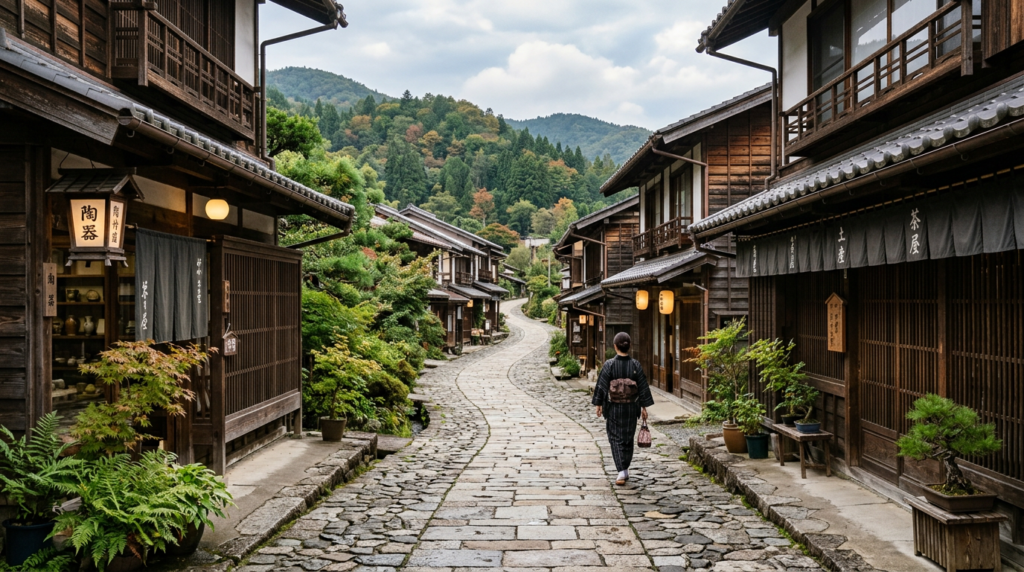
The standard route through Japan is popular for good reason. It is efficient, exciting, and full of iconic experiences. But there is another side of Japan that often remains outside the first itinerary.
For example, if you want the charm of historic streets, temples, gardens, and cultural atmosphere, you do not always have to stay only in Kyoto itself. Across Japan, there are smaller “Little Kyoto” towns that offer a similar sense of heritage and beauty in a much calmer setting.
In large cities, travel can become fast and crowded. In regional destinations, the pace often changes. Walking, eating, observing, and simply being there can feel richer and more memorable.
Regional travel changes the way you see Japan
The value of regional travel is not only that it can be quieter. Its deeper strength is that local identity becomes easier to notice.
- Food culture changes from region to region
- Townscapes and architecture feel very different depending on the area
- Festivals, beliefs, and daily rhythms are strongly local
- Nature often feels much closer than it does in the big cities
A mountain town, a seaside town, a hot spring village, a farming area, and a former castle town can all feel like completely different versions of Japan. That is part of what makes regional travel so rewarding.
Who is regional travel especially good for?
Regional travel is not automatically the best choice for every traveler. But it is especially well suited to people who feel drawn to this kind of experience:
- Walking slowly instead of rushing through famous spots
- Avoiding heavy crowds and feeling the atmosphere of a place
- Making memories, not only taking photos
- Experiencing food and culture in a more local way
By contrast, travelers with very limited time who want to cover all the major highlights may still prefer a city-focused route first. This is not about saying regional travel is better than urban travel. It is about matching the trip to the traveler.
Still, if part of you is already thinking, “I want something a little quieter and deeper,” then regional Japan may be exactly what you are looking for.
Regional travel turns culture from something you look at into something you feel
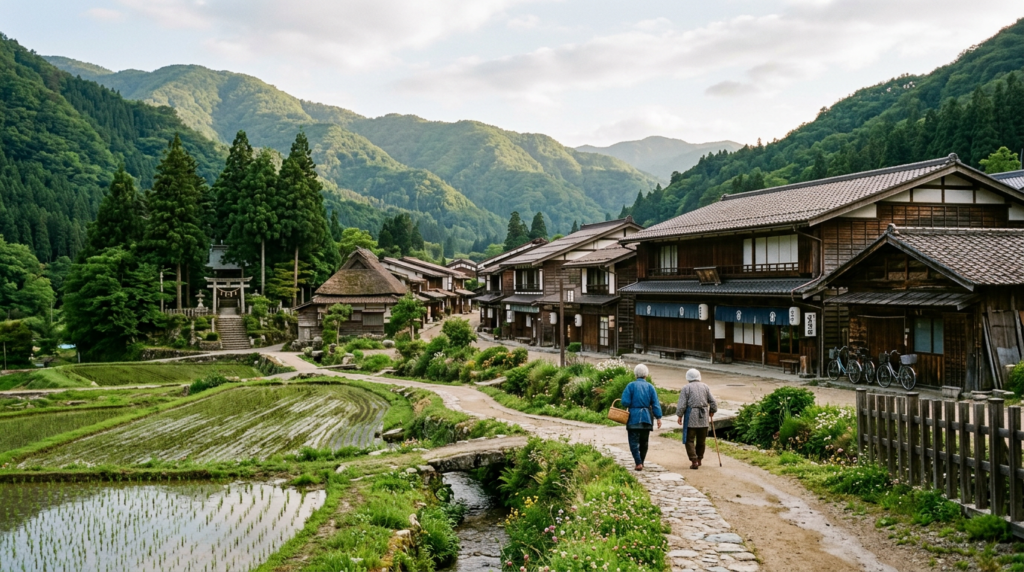
In major sightseeing areas, culture can sometimes feel like something displayed in front of you. In regional destinations, it often feels more lived-in.
You might stay in a traditional house, eat ingredients that belong to that area, walk through old neighborhoods where people still live their daily lives, or spend time in a place where local customs are not just preserved for visitors, but still part of ordinary life.
That changes the nature of the trip. Instead of only learning about Japan, you begin to sense what life in Japan feels like. That is one of the biggest strengths of traveling outside the main urban route.
Practical things to know before adding regional Japan to your itinerary
Regional travel has many rewards, but it also asks for a little more preparation than the biggest cities.
- Train and bus services may be less frequent
- Some local transport may not accept IC cards
- Hotels, restaurants, and shops may close earlier than in major cities
- A rental car can be very helpful in some areas
This does not mean regional travel is difficult. It simply means it works best when you travel with a little more space in your schedule. Slower planning usually creates a better experience anyway.
How to begin regional travel without making things too complicated
If this is your first time exploring beyond the major cities, you do not need to begin with a remote or difficult destination. A better starting point is often a smaller historic town, a castle town, a hot spring area, or a regional city that is still easy to reach by train.
Places with traditional streets, quieter cultural districts, or strong local character tend to offer a very good balance: enough atmosphere to feel special, without becoming too logistically stressful for first-time visitors.
The real secret is not finding the “most impressive” destination. It is finding the kind of quietness and depth that suits you.
Final thoughts | Sometimes the trip that makes you love Japan begins outside the biggest cities
Tokyo, Kyoto, and Osaka are wonderful introductions to Japan. But if you want to move one step closer to the country’s deeper character, looking beyond them can be incredibly rewarding.
Regional Japan offers not only scenery, but also atmosphere, local life, and a more personal connection to place. In those quieter settings, travel often changes from tourism into something more meaningful.
If the standard route already feels a little too expected, try adding one regional destination to your next trip. Japan is not made only of famous cities. It is also made of countless local places, each with its own mood, traditions, and beauty.
And the more of those places you discover, the more Japan begins to feel like a country you truly know—not just one you visited.
Suggested next reads
