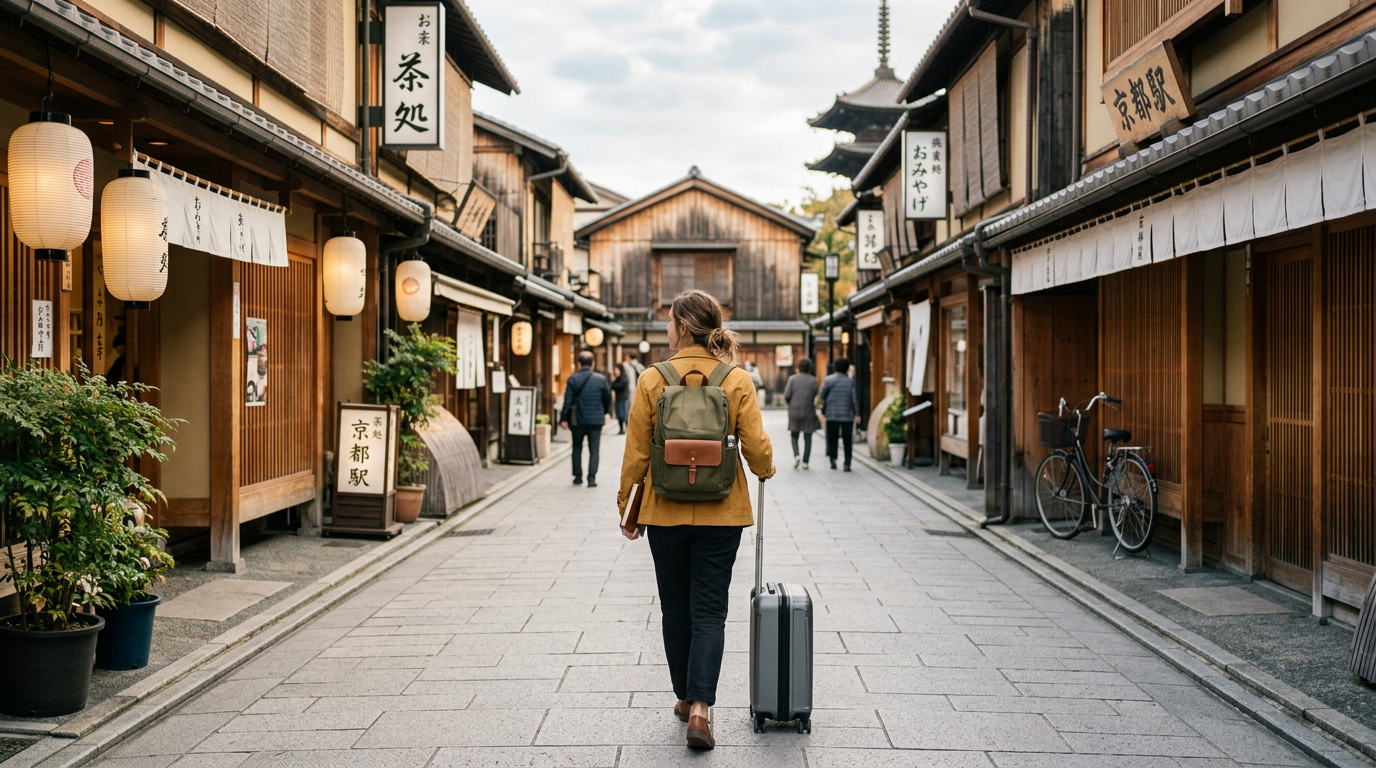
If this is your first trip to Japan, it is completely normal to feel excited and slightly nervous at the same time. Many travelers wonder what season is best, what clothes they should pack, and whether trains or buses will be difficult to use. Japan is a fascinating destination, but for first-time visitors, even small differences can feel bigger than they really are.
The good news is that Japan is actually a very manageable country for beginners once you understand a few basic points. Public transportation is reliable, cities are clean, and daily travel becomes much easier when you know the basics in advance.
This guide focuses on the three most important foundations for a smooth first trip to Japan: season, clothing, and transportation. The goal is not to overwhelm you with too much information, but to help you feel prepared enough to enjoy the trip with confidence.
Conclusion | If you understand season, clothing, and transportation, your first Japan trip will go much more smoothly
If you want to avoid common mistakes on your first trip to Japan, you do not need to memorize everything. The most important things are when you are going, what you should wear, and how you will move around.
When these three areas are clear, the whole trip feels easier. When they are unclear, small problems begin to pile up. You may feel colder than expected, get stressed at a station, or lose energy because your route planning was weak. In Japan, the difference between a stressful trip and a comfortable one often comes down to basic preparation.
In other words, a successful first trip is not about secret tricks. It is about understanding the fundamentals early.
The three basics to understand before your trip
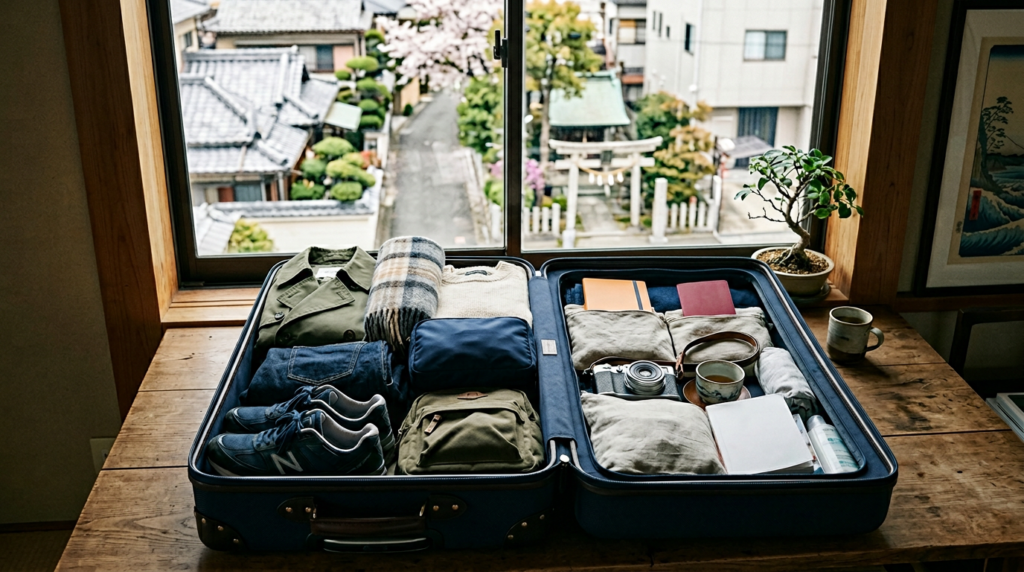
Many people begin by researching famous attractions, and that is part of the fun. But before you focus too much on where to go, it helps to build the foundation of the trip first.
- Season: weather, scenery, crowds, and comfort all change depending on the time of year
- Clothing: Japan has regional differences and day-night temperature changes, so flexible packing matters
- Transportation: understanding trains, buses, and IC cards will remove a lot of unnecessary stress
These three points are closely connected. For example, if you visit in autumn, the daytime may feel pleasant while the evening becomes surprisingly cool. If your trip includes a lot of station transfers and walking, comfortable shoes matter just as much as sightseeing plans. In Japan, travel preparation is not only about destinations. It is also about how you will move through them.
What to wear in Japan by season | Climate matters more than many first-time visitors expect
Japan has four clear seasons, and that means your clothing choices should change depending on when you visit. There can also be major regional differences. Tokyo, Kyoto, Osaka, Hokkaido, and mountain areas do not always feel the same, even in the same season.
| Season | Typical conditions | What to wear | What to watch out for |
|---|---|---|---|
| Spring (Mar-May) | Cool early on, mild later | Light coat, jacket, layers | Mornings and evenings can still feel cold |
| Summer (Jun-Aug) | Hot and humid | Breathable clothes, hat, light wear | Strong sun, humidity, sudden rain |
| Autumn (Sep-Nov) | Warm early, cooler later | Light layers, jacket, scarf | Big day-night temperature difference |
| Winter (Dec-Feb) | Cold, snowy in some regions | Coat, down jacket, gloves, scarf | Northern and mountain areas need stronger cold protection |
For most first-time travelers, the safest approach is to pack layers. Indoor and outdoor temperatures can feel very different, and a flexible outfit is usually more practical than relying on one heavy item. A light jacket, cardigan, or scarf can make your day much easier.
It is also wise to prioritize comfortable walking shoes. Japan often involves more walking than expected, especially in temple areas, old streets, station transfers, and sightseeing districts with slopes or stone paths.
Transportation basics in Japan | Once you understand trains and IC cards, travel becomes much easier
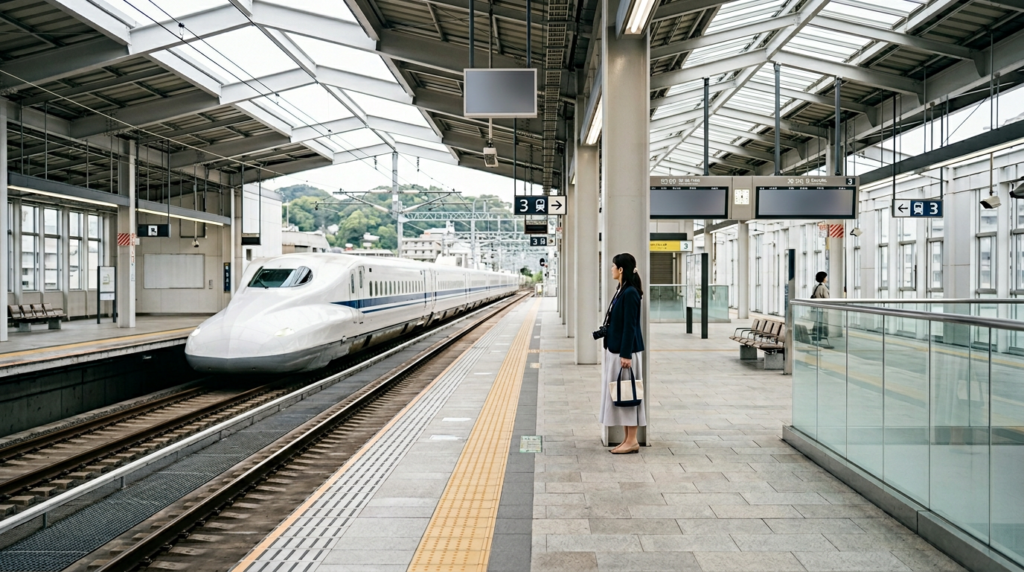
Transportation is one of the biggest worries for first-time visitors, especially in cities like Tokyo and Osaka where there are many train lines. At first, it may look overwhelming. In reality, Japan’s transport system is highly organized, and once you understand the basics, it becomes much easier to use.
In major cities, trains are usually the most convenient way to travel. Services are frequent, routes are predictable, and the overall system is known for punctuality. In rural areas, trains and buses may run less often, so checking schedules in advance becomes more important.
For route planning, tools such as Google Maps, NAVITIME, and Jorudan are very helpful. Even simple information like platform number, departure time, or station exit can reduce a lot of anxiety for first-time travelers.
Another useful tool is an IC card such as Suica or PASMO. These rechargeable cards let you tap through ticket gates instead of buying a separate ticket each time. They are extremely convenient in many cities and can often be used at convenience stores and vending machines as well. However, not every rural line or bus accepts them, so carrying a little cash is still a good idea.
Buses in Japan can feel slightly confusing at first because systems vary. Some are flat-fare buses where you board at the front and pay right away. Others require you to board at the rear, take a numbered ticket, and pay when you get off. It sounds harder than it is. If you watch the signs and follow the display near the driver, you can usually manage without much trouble.
If you want one simple rule, it is this: use a route app, and use an IC card whenever possible. That alone makes first-time travel in Japan much smoother.
Simple etiquette that makes travel in Japan easier and more comfortable
You do not need to memorize every rule to travel well in Japan. But knowing a few basic customs will make your trip more comfortable and respectful.
- You may need to remove your shoes in temples, traditional inns, and some restaurants
- Keep your voice low on trains and buses, and avoid phone calls when possible
- People line up carefully, so follow the queue
- Public trash cans are limited, so you may need to carry your trash with you
- If you are unsure, look around and follow local behavior
The basic mindset behind Japanese etiquette is simple: try not to inconvenience other people. That matters more than trying to appear perfect. If you stay calm, observe your surroundings, and show consideration, you will already be doing the most important part well.
And in practice, Japan is not a place where people expect perfection from visitors. A respectful attitude goes a long way.
Why Japan is often a good destination for beginners
Even for people who feel nervous about traveling abroad, Japan is often considered one of the easier countries to explore for the first time. There are several reasons for this.
Public transportation is efficient, cities are generally clean, and many major areas provide at least some English signage. Food is also easier for many travelers than they expect, with everything from sushi and ramen to convenience store meals and simple everyday dishes. Japan offers cultural differences, but not in a way that usually makes the trip feel impossible.
In that sense, Japan is not a country that demands perfection from first-time visitors. It is a country that becomes more enjoyable when you prepare just enough to feel confident.
Final thoughts | Do not aim for perfect preparation—aim for a solid foundation
For your first trip to Japan, you do not need to over-plan every detail. What matters most is understanding the basics: dress for the season, learn the transportation essentials, and travel with consideration for the people around you.
Trying to remove every uncertainty can become exhausting. But Japan is a place where even a beginner can travel well with a little preparation. When your foundation is strong, you can relax and enjoy what really matters.
And beyond that preparation, what waits for you is the best part: the seasonal beauty, the calm atmosphere of shrines and temples, the kindness of everyday culture, and the feeling that Japan may be even more welcoming than you expected.
Suggested next reads
